
The truth about aggressive Basenji: what you need to know
- Elise Chastain

- Mar 9, 2025
- 4 min read
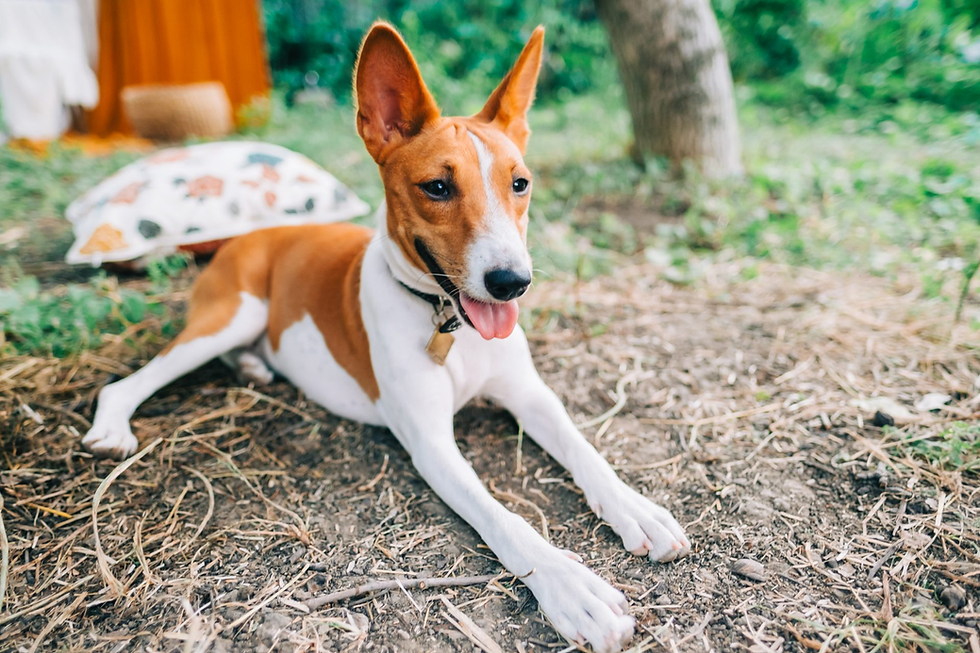
Basenjis are known for their unique characteristics, making them one of the most fascinating breeds around. However, when it comes to aggression, there’s a lot of confusion surrounding these dogs. While they’re often described as independent, intelligent, and playful, some Basenjis exhibit aggressive tendencies. But is aggression a normal part of the Basenji personality? Or is it a sign of something more serious? Let’s dive into what makes these dogs tick and explore how you can deal with an aggressive Basenji.
Understanding the Basenji's Temperament
Basenjis are a breed that is often misunderstood. They have an intriguing mix of traits that can lead people to believe they are more aggressive than they really are. Known for their cat-like behaviors, they can be aloof with strangers and are very territorial when it comes to their space. However, this doesn't necessarily equate to aggression. In fact, Basenjis are often described as having an "aloof" temperament rather than a truly aggressive one.
That being said, when aggression does arise, it is usually a result of poor socialization or lack of proper training. The Basenji’s instinct to hunt and protect can sometimes manifest as aggressive behavior, especially if they feel threatened or cornered. It’s crucial to understand that aggression in Basenjis is not a trait inherent to the breed—it’s more about the environment they are raised in.
What triggers aggression in Basenjis?
Basenjis are highly sensitive dogs, and aggression in these dogs often stems from specific triggers. Fear is one of the primary reasons for aggressive behavior. If a Basenji feels threatened, it may react aggressively, especially toward new people, other animals, or unfamiliar situations. Basenjis are also known for being territorial, so if they feel their space is being invaded, they might show signs of aggression.
Another trigger is lack of stimulation. If Basenjis don’t get enough physical or mental exercise, they may act out in frustration. Without a proper outlet for their energy, these dogs can become restless and display behaviors that may seem aggressive. It’s important to note that these behaviors are more about boredom than true aggression.
Signs of aggression in a Basenji
Recognizing aggression in a Basenji is essential for handling the situation appropriately. Some common signs include:
Growling or snarling when approached by strangers or other pets
Baring teeth or showing a stiff posture
Lunging or snapping at people or other animals
Chasing or nipping in a way that seems out of character
Understanding these signs is key to preventing escalation. Early intervention is crucial when dealing with aggression, as it’s easier to manage in its early stages.
How to manage an aggressive Basenji
If your Basenji is showing signs of aggression, it’s vital to take immediate steps to address the issue. Here are some tips:
Socialization: It is essential to expose your Basenji to various people, animals, and environments from a young age. Proper socialization can help prevent many aggressive behaviors.
Training: Basic obedience training is a must for all Basenjis. Teaching your dog commands like "sit," "stay," and "leave it" can be very effective in curbing aggressive tendencies.
Exercise: Basenjis are energetic dogs that need regular physical and mental stimulation. A tired Basenji is a calm Basenji, so ensure your dog gets enough exercise.
Avoid Punishment: Punishing an aggressive Basenji can worsen the situation. Instead, focus on positive reinforcement and reward good behavior.
Seek Professional Help: If your Basenji’s aggression is severe, it’s best to consult with a professional dog trainer or behaviorist who has experience dealing with aggressive dogs.
The Basenji: not just a aggressive breed
In conclusion, the Basenji is not a naturally aggressive breed, but like any dog, it can develop aggression if not properly socialized, trained, or exercised. Aggressive behavior can often be prevented with the right approach. While some Basenjis may display territorial or protective behaviors, these traits are not a sign of inherent aggression. Understanding their temperament and providing the necessary care and training can help mitigate these behaviors, making Basenjis wonderful companions.
L’avis de Aristopattes.fr
At Aristopattes, we believe that the Basenji’s reputation for aggression is often blown out of proportion. It’s true that this breed has a unique personality, but with proper handling and care, aggression can usually be managed or avoided. It’s important to remember that any dog can become aggressive under certain circumstances. Basenjis, when raised in a loving and structured environment, are more likely to be calm, affectionate, and gentle. So, don’t let their occasional outbursts deter you. Instead, focus on providing a stable, secure environment, and you’ll see a loyal companion who loves to play and snuggle.
SEO Tags: aggressive Basenji, Basenji behavior, Basenji aggression, managing aggressive Basenji, dog aggression, Basenji training, Basenji temperament, Basenji socialization
If you’ve found this article useful, don’t forget to like, comment, or share it with your friends! Our expert team, including a veterinary-trained professional with experience in animal behavior and social issues, is here to answer any questions you might have.
Comments